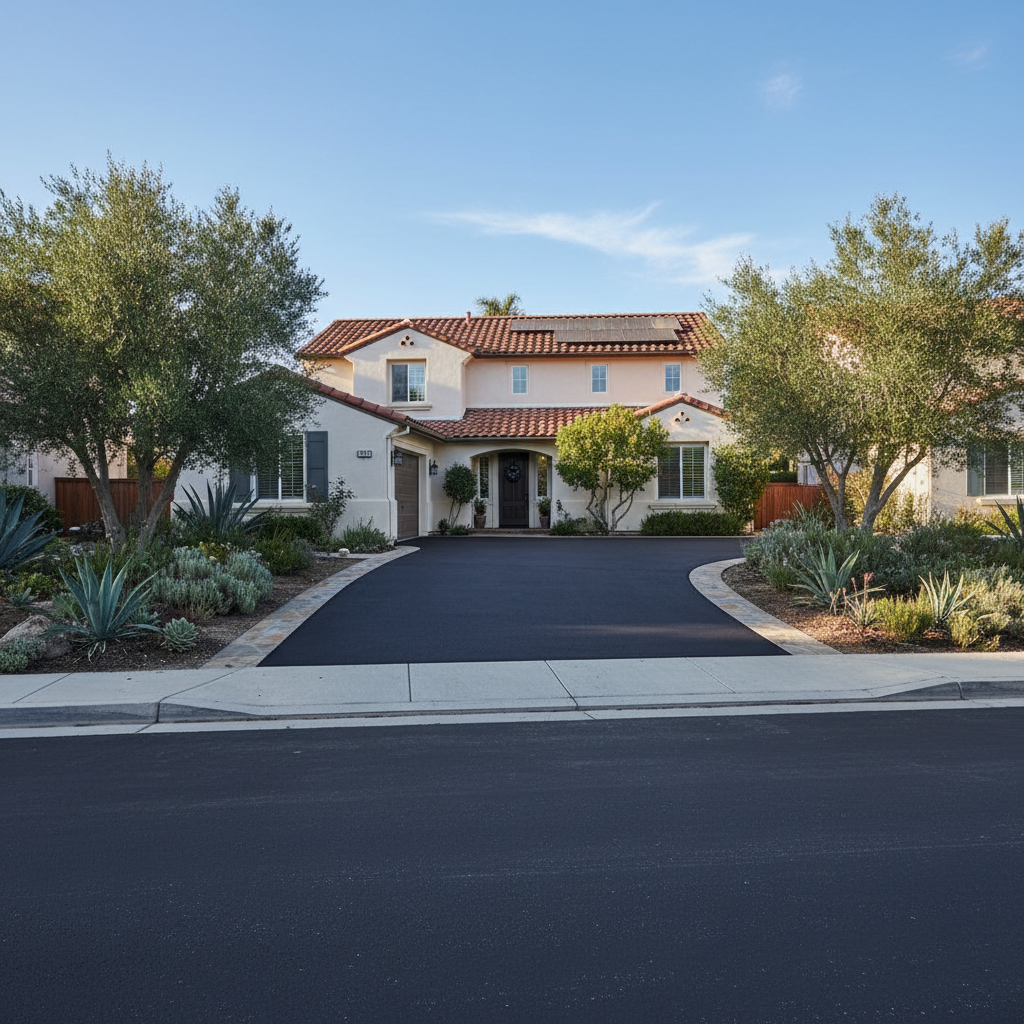
When's the Best Time to Sealcoat Your Asphalt in Laguna Niguel?
So, you've got asphalt, and you want to protect it. Smart move. Sealcoating is really your best bet for making your driveway or private road last longer, especially with that Southern California sun always beating down on it. But around here in Laguna Niguel, timing isn't just important; it's absolutely critical. You can't just slap sealcoat down any old day and expect it to actually work.
Generally, I tell folks the sweet spot for sealcoating is spring through early fall. Think April, May, June, and then September, October. Why those months, specifically? It all comes down to temperature and the sun. Sealcoat needs warm, steady temperatures to cure right. We're talking daytime highs consistently above 50°F, and ideally, it shouldn't drop much below that overnight. If it's too cold, the sealcoat won't stick properly, and you'll just end up with a flaky mess that doesn't protect a thing. And if it's too hot, like some of those scorching August days we get, it can dry way too fast. That often leads to cracking or a finish that just looks uneven.
We also need a few days of clear, dry weather. That's usually not a huge problem in Laguna Niguel, thank goodness, but you'd be surprised how often a rogue marine layer or an unexpected drizzle can throw a wrench in our plans. I'm always checking the forecast for at least a 24-48 hour window of no rain after we put the sealcoat down. It really needs that time to set up without getting washed away or diluted, you know?
Weather Conditions That Affect the Job
Beyond just temperature and rain, there are other weather factors we really keep an eye on. Humidity is one. High humidity can slow down the drying process quite a bit. While it's not as big a deal as rain, it does mean your driveway might need longer before you can drive on it. We always factor that into our estimates for how long it'll take to cure.
Wind is another. A little breeze is actually fine, even helpful for drying. But strong winds? They can carry dust, leaves, and all sorts of other debris right onto your freshly applied sealcoat — which nobody wants. It can also make the application uneven. So, if the Santa Anas are blowing through, we're probably rescheduling. It's just not worth risking a subpar job, plain and simple.
And then there's the sun itself. Our Laguna Niguel sun is intense. While warmth is good, direct, blistering sun on a fresh coat can sometimes make it dry too quickly on the surface, trapping moisture underneath. This can lead to premature cracking or a finish that just isn't as durable. A slightly overcast day with warm temperatures is often ideal, actually, because it allows for a more controlled, even cure.
Protecting Your Investment Year-Round
So, you've got your sealcoat down at the right time, and it looks great. What now? Protecting that investment year-round is key to getting the most out of it. Here's what I tell my Coastal Asphalt customers:
- Keep it Clean: Regularly sweeping or blowing off debris like leaves, dirt, and especially oil or gas spills is huge. Those chemicals will break down your sealcoat over time. Catch them early and clean them up with some mild detergent and water.
- Watch for Cracks: Even with sealcoat, cracks can happen, especially with our shifting soil here around places like Nellie Gail Ranch. Small cracks are easy to fix with crack filler. Don't let them grow into potholes. Address them as soon as you see them.
- Avoid Heavy Loads: Try not to park heavy equipment or RVs on your asphalt for too long, especially when it's hot out. The weight combined with heat can cause indentations or even cracking.
- Trim Overhanging Branches: Sap and falling leaves can stain and prematurely degrade your sealcoat. Keep trees and shrubs trimmed back from your driveway.
- Re-Seal on Schedule: Most residential driveways need re-sealcoating every 2-3 years. Commercial properties with heavier traffic might need it more often. Don't wait until your asphalt looks faded and cracked to reapply. Proactive maintenance saves you a lot of money in the long run. It's like painting your house; you don't wait for the wood to rot before you put on a new coat, right?
Look, sealcoating isn't just about making your asphalt look good; it's about protecting it from water, UV rays, and chemical spills. By understanding our local climate and scheduling your work at the right time, you're making sure your asphalt lasts longer and looks better. If you're not sure if it's the right time for your property, just give us a call. We're always happy to come take a look and give you an honest assessment.