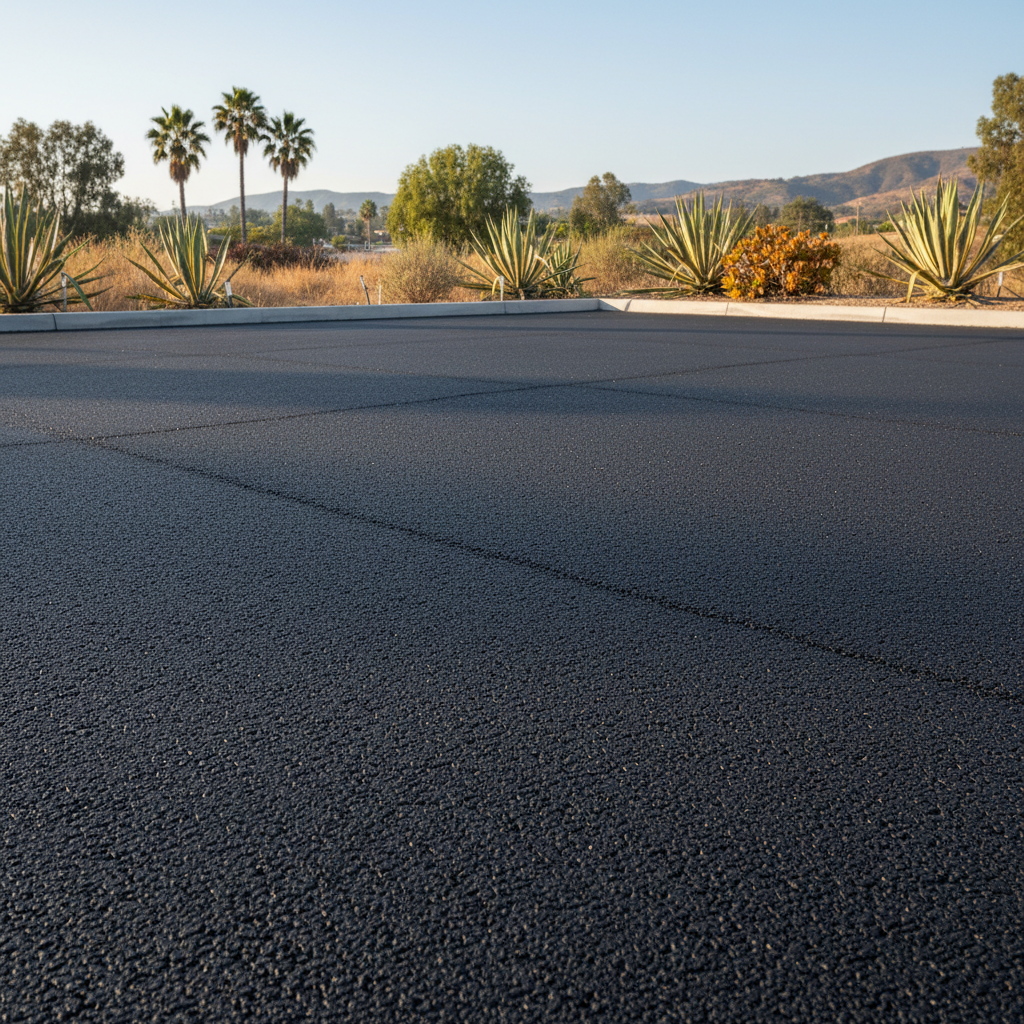
So, you're thinking about putting in a new parking area, or maybe you just want to make an existing one bigger at your Laguna Niguel place. Maybe your family's growing and you've got more cars than spots, or you're just plain tired of guests having to park out on the street. Whatever the reason, paving a parking lot, even a small one, turns out to be a much bigger job than most folks realize. Let's really dig into what you're getting yourself into.
Before You Even Think About Paving
First things first, planning is absolutely everything. You can't just dump asphalt on plain dirt and call it good. You really need to think about drainage. Laguna Niguel gets its share of rain, especially in winter, and water sitting on your new pavement will ruin it faster than anything else. You'll need to grade the area so water flows away from your house, not right toward it. Usually, this means a slight slope, maybe 1-2%, directed toward the street, a drain, or some landscaping that can handle the runoff.
Next up: permits. Seriously, don't skip this step. Building and safety departments, even for residential projects, often have rules about how much impervious surface you can have and how you handle drainage. You definitely don't want to lay down a beautiful new parking lot only to get a stop-work order — or, even worse, have to tear it all up because you didn't get the right approvals. Check with the City of Laguna Niguel's planning department. They'll tell you exactly what's required for your specific property.
Then there's the base. This part is super important. A good asphalt parking lot needs a really solid foundation. We're talking about compacted aggregate base, like crushed rock. For a typical home parking area, you'll want at least 4-6 inches of this compacted base. This isn't something you can just guess at. You need to dig down, lay the base material, and then compact it properly with a vibratory plate compactor or a roller. If your soil is particularly soft or expansive, like some of the clay soils we see in the older parts of Laguna Niguel, you might even need a thicker base or some special soil stabilization. This is definitely where a pro's experience really pays off.
During the Paving Project: DIY vs. Pro
Okay, so you've got your permits, your drainage all planned out, and your base prepped. Now for the asphalt itself. Can you do this yourself? Technically, sure, you can buy asphalt in bags for patching small holes, but for an entire parking lot? Not really. Asphalt needs to be laid hot, usually somewhere between 250-325 degrees Fahrenheit, and then compacted quickly before it cools down. This requires specialized equipment: a paver machine to lay it out evenly, and heavy rollers to compact it to the right density. Without these, you'll just end up with an uneven, weak surface that won't last. You'd see cracks and potholes almost immediately, believe me.
For a parking lot, even a small one, you're looking at needing about 2-3 inches of compacted asphalt. That's a ton of material and a lot of very specialized work. This is 100% a job for a professional paving company like Coastal Asphalt. We've got the equipment, the trained crew, and the experience to get it done right the first time. Trying to DIY this will honestly cost you more in the long run when you have to pay someone to fix or redo a failed job.
After the Paving: What You Need to Do
Once the asphalt is down, it's not quite ready for heavy use. You'll need to let it cure. Typically, we recommend staying off new asphalt for at least 24-48 hours, and sometimes even longer if it's a particularly hot day. Avoid turning your wheels sharply in place (those power steering marks) for the first week or two, as this can scuff or damage the still-soft surface.
Maintenance is truly key to making your new parking lot last. Here's what you really should be doing:
- Keep it Clean: Sweep off dirt, leaves, and debris regularly. This stops organic matter from breaking down on the surface and keeps water flowing freely.
- Address Spills Immediately: Oil, gas, and other chemicals can soften and degrade asphalt. Clean up any spills as soon as they happen with something absorbent.
- Sealcoating: Think of this as your parking lot's sunscreen and rain jacket. About 6-12 months after we install it, you'll want to apply a sealcoat. This protects the asphalt from harsh UV rays, water getting in, and chemical spills. After that, a sealcoat every 2-3 years is a pretty good schedule, depending on how much traffic it sees and how much wear and tear it gets.
- Repair Cracks Promptly: Small cracks can turn into big problems super fast. Fill them with an asphalt crack filler as soon as you spot them. This stops water from getting underneath the pavement and eroding the base material.
A well-installed and properly maintained asphalt parking lot can easily last 15-20 years, or even longer. It's a significant investment, no doubt, but with the right planning, professional installation, and consistent aftercare, you'll have a durable, functional surface that adds value to your Laguna Niguel home for many years to come. Don't hesitate to reach out to us at Coastal Asphalt if you have questions or need a quote for your project.