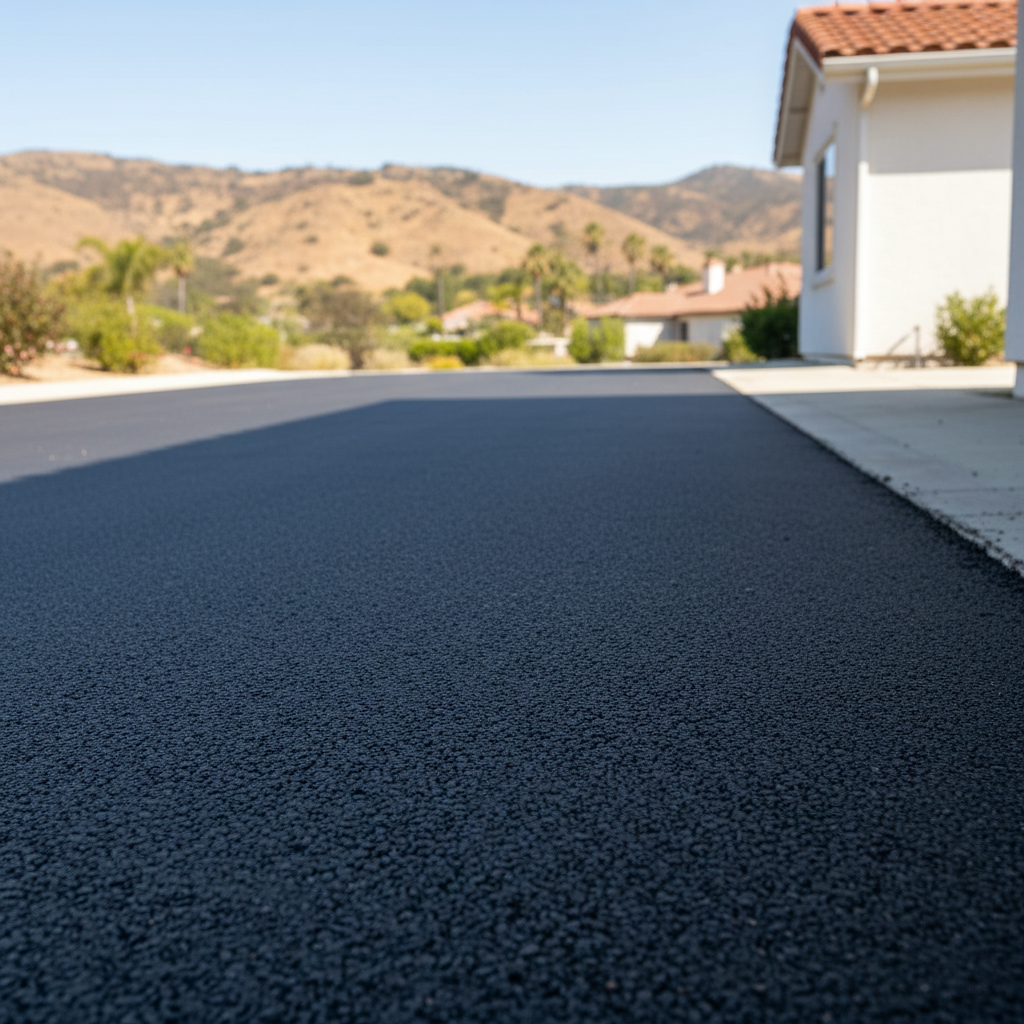
Your asphalt driveway or private road really takes a beating, especially here in Laguna Niguel. With our sunny days and those occasional heavy rains, the ground underneath can get pretty messed up. Homeowners often ask me what’s going on with their asphalt and, more importantly, what they should do about it. So, I figured, why not put together some straightforward answers to the most common questions I hear?
What actually causes asphalt damage?
This is probably the number one question people ask. Usually, it’s a mix of things. First off, the sun's UV rays are just brutal. They dry out the asphalt binder, making it brittle and, you guessed it, prone to cracking. Then there's water. Once a tiny crack appears, water gets right in there, especially with our occasional downpours. While it doesn't often freeze solid here, that water expands and contracts with temperature changes, pushing the asphalt apart and making those cracks bigger. Tree roots are another huge culprit; they'll lift and crack pavement as they search for water. Heavy vehicles, poor drainage, and even just the age of the asphalt all play a role. Sometimes, sure, it's bad installation from the very beginning, but most of the time, it's just wear and tear over time.
Do I need a repair or a full replacement?
That's a really important question because, let's be honest, replacement costs a lot more. Generally speaking, if your asphalt has a few isolated cracks, small potholes, or just some minor surface wear, repairs are probably all you need. We can patch things up, fill cracks, or even do a small overlay. But if you're seeing widespread "alligator cracking" (you know, that pattern that looks like alligator skin), lots of deep potholes, significant heaving, or if the base layer underneath is clearly failing and crumbling, then a repair might just be a temporary band-aid. At that point, you’re usually better off just biting the bullet and getting a full replacement. I always tell folks: if more than 25-30% of your surface needs serious attention, replacement often ends up being the more cost-effective long-term solution.
Can I just fix it myself with stuff from the hardware store?
Well, you *can*, but I generally don't recommend it for anything more than a tiny, superficial crack. Those DIY cold patch products are okay for a very temporary fix on a small pothole – maybe to get you through a week or two. But here's the thing: they don’t bond well, they break down quickly, and they never actually address the underlying issues. You’ll just be doing it again in a few months, trust me. For real, lasting repairs, you need professional-grade hot asphalt, proper compaction, and sometimes even base repair. It’s kind of like trying to fix a leaky roof with duct tape; it might stop the drip for a minute, but it won’t solve the actual problem. Save your time and money for a proper job.
How long do asphalt repairs typically last?
This depends entirely on the type of repair, the quality of the work, and what caused the damage in the first place. A good crack fill job, if done correctly with the right material, can last several years, especially if you keep up with sealcoating. A well-done pothole patch using hot asphalt and proper compaction? That can last five to ten years, sometimes even longer, assuming the base is stable. If we’re talking about a larger overlay, that can give you another 10-15 years of life. But if the underlying problem, like poor drainage or a failing sub-base, isn’t addressed, then even the best repair won’t last as long as it should. It’s always about fixing the root cause, not just the symptom.
What’s the deal with drainage? How does it affect my asphalt?
Drainage is HUGE. Seriously, it’s probably the biggest factor in how long your asphalt lasts, especially in areas like Laguna Niguel where we often have sloped properties and sometimes heavy rainfall. If water just sits on your asphalt, it seeps into cracks, softens the sub-base, and really speeds up deterioration. If water flows *under* your asphalt, it can wash away the base material, leading to sinkholes and widespread cracking. Proper grading and drainage – whether that's a slight slope, catch basins, or French drains – are absolutely essential. If your asphalt problems keep coming back, even after repairs, I’d bet good money it’s a drainage issue that needs to be sorted out first. We always check for this when we do an assessment at Coastal Asphalt.
After repairs, what should I do to keep my asphalt looking good?
Great question! Maintenance is absolutely key. First, keep it clean. Sweep away dirt, leaves, and debris regularly so water can drain properly. Second, address new cracks quickly. Don’t let them sit and grow bigger. Third, and this is a big one, sealcoat your asphalt every 2-3 years. Sealcoating protects against UV rays, water penetration, and oxidation. Think of it like sunscreen and a waterproof barrier for your driveway. It’ll make your asphalt last way longer and look much better. Also, try to keep heavy vehicles off it as much as possible, especially if it’s an older driveway. A little preventative care really goes a long way in saving you money on bigger repairs down the road.