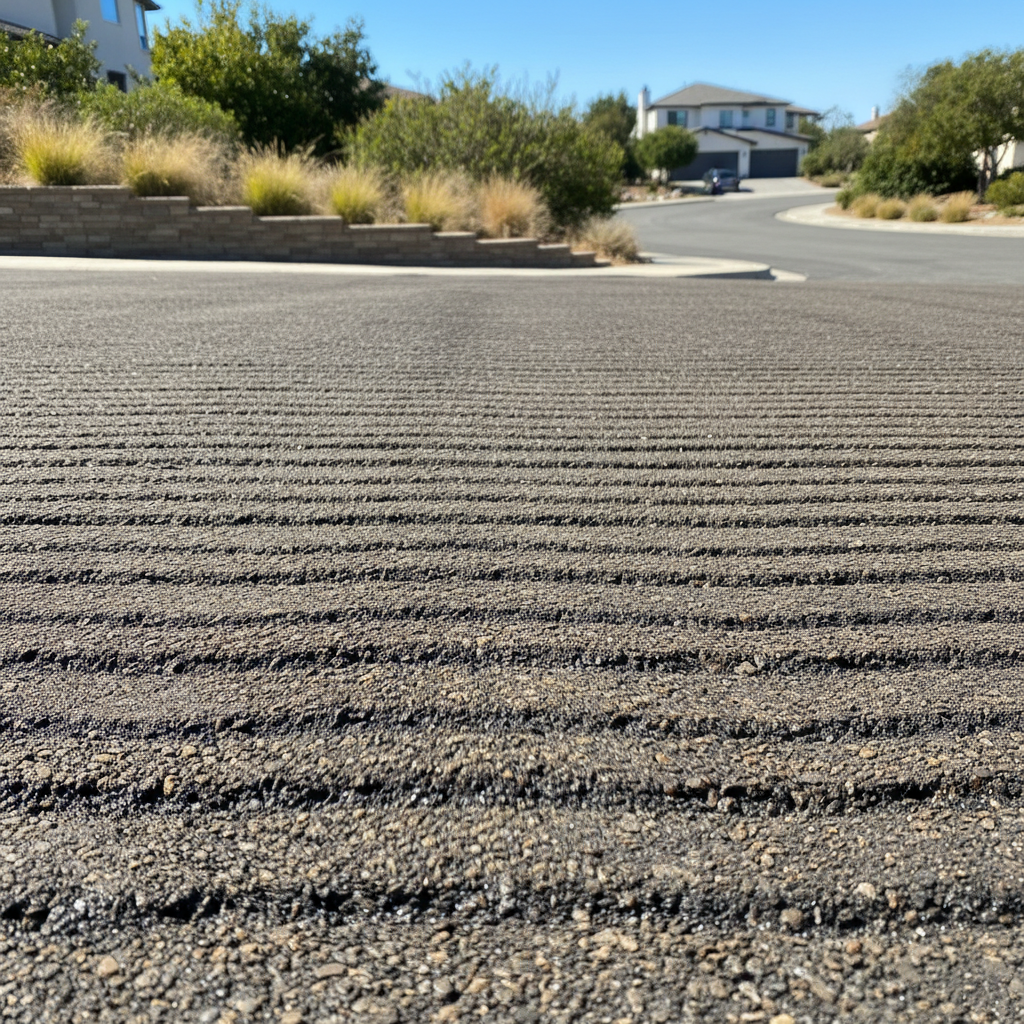
Got an asphalt driveway that's seen better days? Maybe it's got cracks, potholes, or just looks worn out. You might be thinking about tearing it all out and starting fresh, but hold on a minute. For a lot of folks, especially here in Laguna Niguel, asphalt milling is a really smart option. It's not just for big roads, you know; it works great for driveways too.
Milling, simply put, is like shaving off the top layer of your existing asphalt. We use a special machine with a rotating drum to grind down the surface to a specific depth. This gets rid of the damaged, oxidized layer, leaving a fresh, stable base. Then, we can put down a new layer of asphalt right on top. It's often quicker, more affordable, and less disruptive than a full tear-out and replace job.
Before the Project: What You Need to Know
Before you even think about calling a pro, there are a few things you should consider. First, look at how bad the damage really is. Is it just surface cracks and fading, or are you seeing major structural issues like big, deep potholes, or spots where the asphalt has completely crumbled? Milling is fantastic for surface deterioration, rutting, and minor to moderate cracking. If your base layer is completely shot – meaning the ground underneath is failing – then milling might not be enough. You’d need a more extensive repair, possibly even a full reconstruction.
Another thing to think about is drainage. We get some decent rain here, especially in the winter, and if your driveway has standing water issues, milling can actually help us re-establish proper slopes and make sure water runs off correctly. This is something we always assess at Coastal Asphalt when we come out for an estimate. You can walk your driveway during or after a rainstorm and see where the water pools. That's a good indicator of where you might need some extra attention.
As for what you can realistically do yourself before the pros arrive? Not much on the milling side, honestly. This isn't a DIY job. The equipment is specialized, heavy, and requires trained operators. But you can certainly clear the area. Move any cars, trash cans, planters, or anything else that might be in the way. If you have any sprinkler heads or low-hanging wires near the driveway, point them out to your contractor. We don't want any surprises.
During the Project: What to Expect
When the crew shows up, you'll see some serious machinery. The milling machine itself is pretty impressive. It's going to be loud, and there will be dust. We do our best to control it, but that's just part of the process. The machine grinds off the old asphalt, and that material, called asphalt millings or reclaimed asphalt pavement (RAP), gets collected. Sometimes we haul it away, and sometimes, if it's suitable, we can even use it on-site for other purposes, like building up a shoulder or a temporary path.
The crew will work systematically, removing the top layer to the specified depth. You'll see a rough, textured surface left behind. This texture is actually good; it helps the new asphalt bond better. After milling, we usually clean the surface thoroughly, often with blowers, to remove any loose debris before applying a tack coat – a sticky liquid asphalt that helps the new layer stick.
Then comes the new asphalt. It gets laid down, leveled, and compacted. This is where the skill of the paving crew really shines. They're making sure your new driveway has the right slope, a smooth finish, and is compacted properly for durability. It's a pretty efficient process once they get going.
After the Project: Care and Maintenance
Once your new asphalt is down, you'll need to give it some time. We usually recommend staying off it for at least 24-48 hours, sometimes longer if it's a particularly hot day. The asphalt needs to cure and harden. Driving on it too soon can create ruts or tire marks that will be there permanently.
For the first few months, your new asphalt will be a bit softer than fully cured pavement. Avoid parking heavy vehicles in the same spot for extended periods, especially during hot weather. Don't turn your steering wheel while your car is stationary; always be moving. This helps prevent power steering marks. You might also notice a slight asphalt smell for a while, which is totally normal and will dissipate.
Long-term, regular maintenance is key to getting the most out of your milled and repaved driveway. Keep it clean from dirt and debris. Address any small cracks that appear with crack filler before they turn into bigger problems. And consider sealcoating every few years. Sealcoating protects the asphalt from the sun's UV rays, water, and chemicals, extending its life significantly. It's like sunscreen for your driveway, especially important with our strong Southern California sun.
Milling is a fantastic way to revitalize your driveway without the full expense and disruption of a complete tear-out. If you're seeing signs of wear and tear, but your driveway's foundation is still solid, it's definitely worth exploring. Give us a call, and we can come take a look at your Laguna Niguel property and see if milling is the right solution for you.